Trade in construction equipment and spare parts between Russia and China in 2026
Moscow, April 3, 2026Russia's construction sector continues to actively upgrade its equipment fleet, and Chinese manufacturers remain the undisputed market leader, accounting for over 85% of total construction equipment imports. By the end of 2025, Chinese equipment exports to Russia will reach $63.6 billion, representing 12.04% of China's total global construction equipment exports.
Chinese technology dominates: demand structure
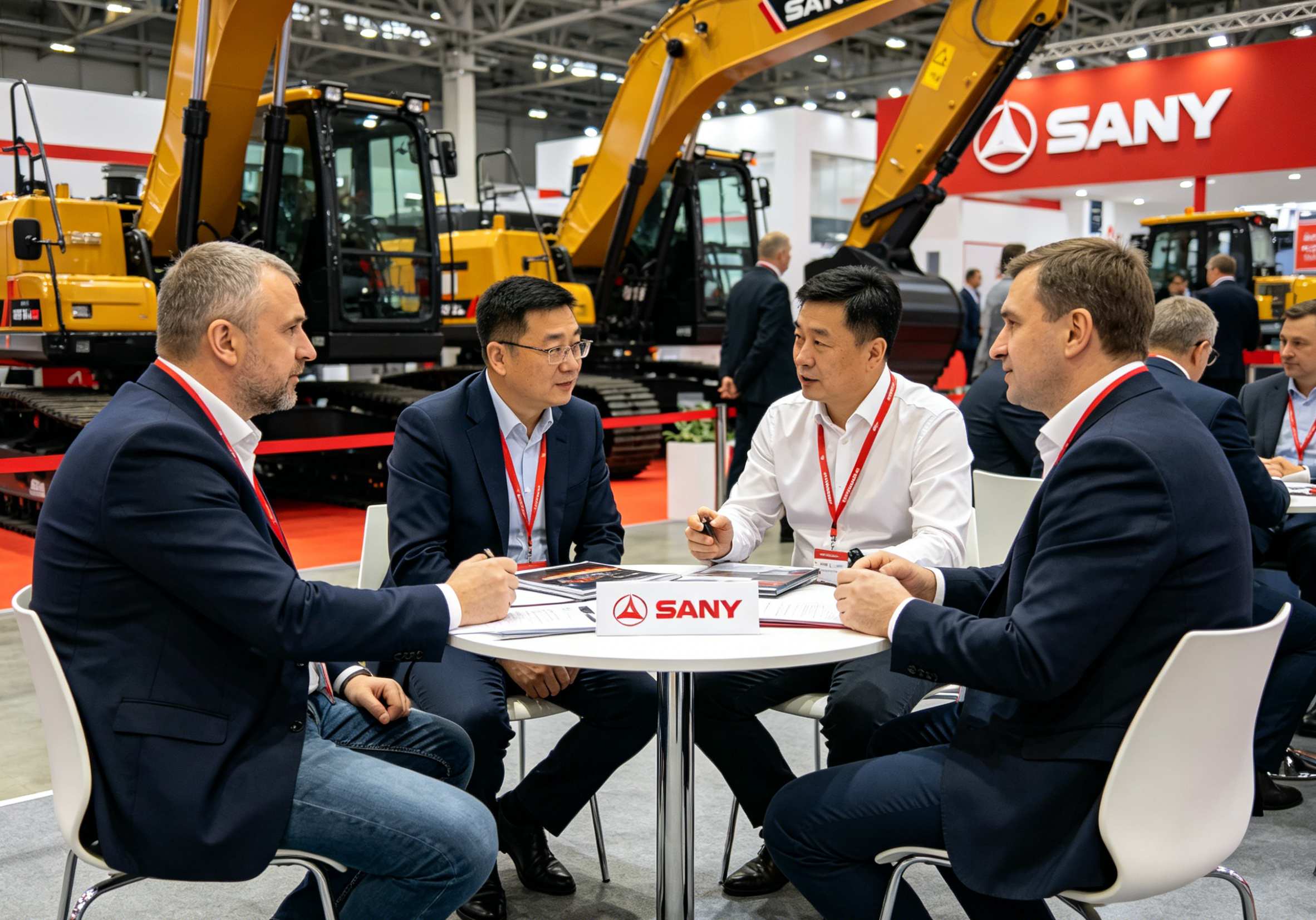
Excavators, loaders, cranes, and road construction equipment are the mainstays of demand. Major brands such as XCMG, SANY, SDLG, and Lonking hold the lead, consistently holding market shares above 80%.
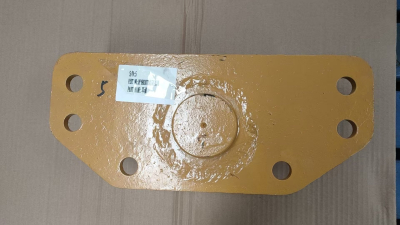
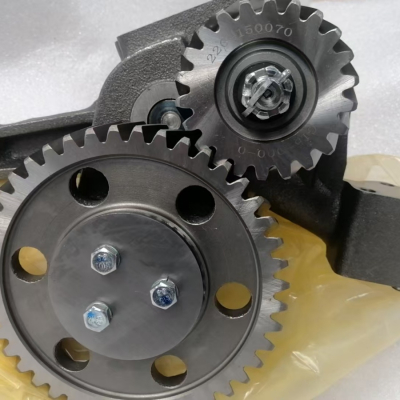
Along with sales of new equipment, the spare parts market is growing rapidly. Due to high-intensity use and harsh climatic conditions, the demand for components (hydraulics, engines, filters, electronics) remains high. Chinese suppliers are actively expanding their warehouse network in major Russian cities (Moscow, St. Petersburg, Yekaterinburg, Krasnoyarsk), reducing parts delivery times from 60 to 15 days.
Key growth drivers in 2026
State Infrastructure Program of Russia until 2030
The implementation of projects for the construction and repair of 13,000 km of roads, the development of the Northern Sea Route and Arctic ports requires updating the fleet of equipment. An annual increase in demand for equipment is projected to be 8–10%.
Preferential leasing
The government has launched a program of preferential leasing of construction equipment totaling 50 billion rubles through 2030, which will stimulate the renewal of the fleet of small and medium-sized construction companies.
Reducing dependence on Western supplies
After the departure of European and American brands, Chinese equipment and components filled the gap, offering adequate quality at a competitive price.
Prospects and Challenges
Experts note a shift from simple equipment supplies to comprehensive cooperation: joint ventures are being established, service centers are opening, and production localization is deepening. The key challenge for Chinese companies is the strengthening of protectionist measures by the Russian side and growing competition with local manufacturers.
At the same time, the demand for high-quality Chinese spare parts will only grow, since maintaining the fleet of Chinese equipment directly depends on the stability of the supply of components. The year 2026 will be decisive for the formation of a long-term cooperation strategy in the field of after-sales service and spare parts logistics.