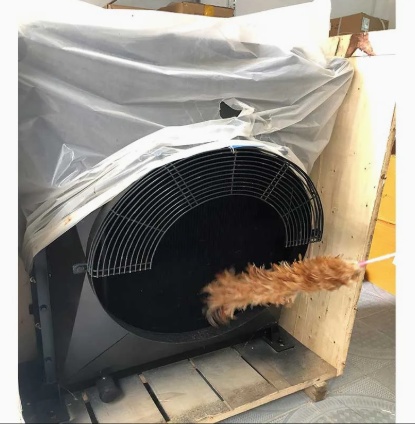
Sany 12381688 Radiator Assembly
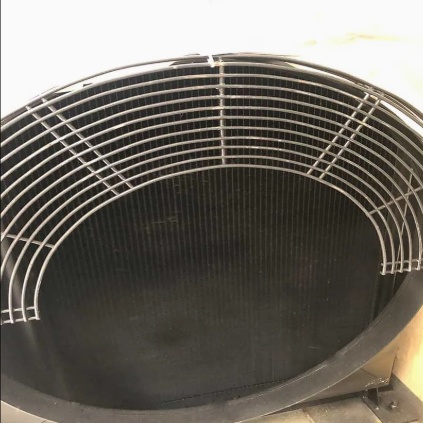
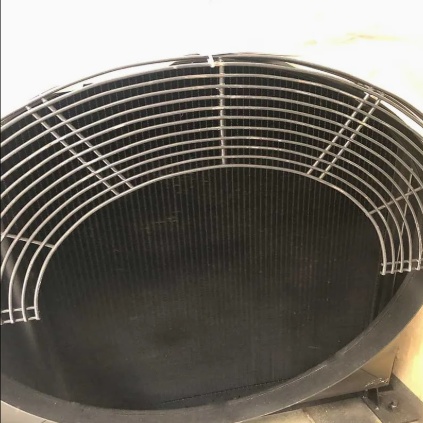
1. Efficient heat dissipation: It uses an advanced heat dissipation fin design to increase the heat dissipation area and cooperates with a large flow fan to quickly dissipate heat and ensure stable operation of the motor under high temperature conditions.
2. Durable and durable: Made of corrosion-resistant and high-strength materials with advanced welding technology, it can withstand vibration and impact, and adapt to harsh working conditions.
3. Precise adaptation: Individual adjustment for different Sany excavator models, precise installation dimensions, perfect match with the cooling system of the entire machine, and easy installation.
Product Introduction
1. General information
Manufacturer: Sany, a leading manufacturer of construction, industrial, and transportation equipment. Sany is known for its innovative technology, high-quality products, and a wide range of equipment used worldwide.
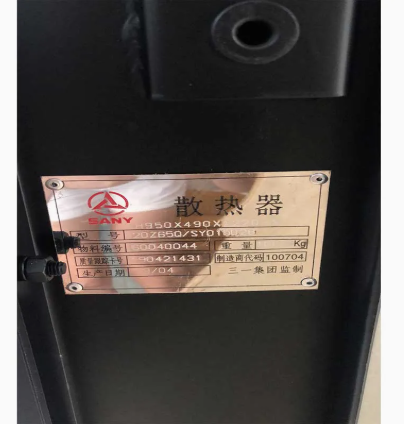
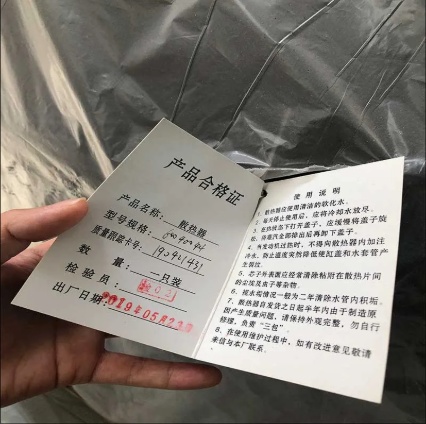
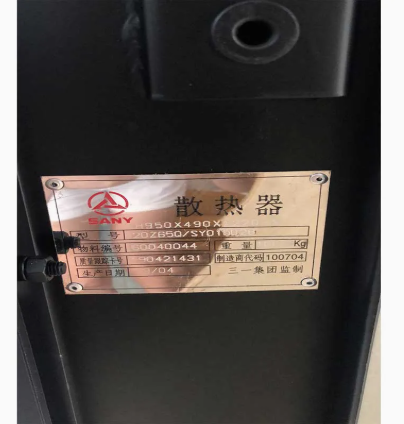
Model and part numbers: Radiator - unit with part numbers 12381688/60040044, intended for use in the corresponding models of Sany equipment.
2. Technical specifications
Radiator Type: This may be an air-to-liquid radiator that effectively uses air to cool the working fluid (usually engine coolant or hydraulic oil). It has high heat dissipation and can provide stable cooling under various operating conditions.
Sany Excavator Radiator Maintenance Method
1. Definition of the maintenance cycle
By engine hours: As a general rule, a Sany excavator's radiator requires a full service every 200–300 engine hours. This period is determined based on normal operating conditions and environments. During this period, dust, impurities, etc., can accumulate inside and outside the radiator, affecting heat dissipation efficiency.
Depending on the operating environment: If the excavator operates in dusty and harsh environments, such as mines and construction sites, the maintenance cycle should be reduced accordingly, with maintenance performed every 100–150 operating hours. In harsh conditions, the radiator is more likely to become clogged. Reducing the maintenance cycle can ensure it remains clean and functioning properly.
2. External cleaning
Preparing cleaning tools: Prepare compressed air equipment, such as an air compressor, and use its high-pressure air flow to blow dust and debris off the radiator surface. Use a soft-bristled brush to gently brush off stubborn dust and dirt without damaging the radiator heat sink. Also, prepare a special radiator cleaner that effectively removes oil and stubborn stains.
Cleaning steps: First, blow compressed air through the radiator from the front (fan side) to the rear (engine side), maintaining an air pressure of 0.4–0.6 MPa to remove most of the dust from the surface. Then, gently scrub the radiator with a soft-bristled brush, moving toward the radiator, being careful not to deform the radiator. To remove oil and stubborn stains, spray radiator cleaner evenly over the surface, let it sit for 5–10 minutes, then scrub with a soft brush and rinse with clean water.
3. Internal cleaning
Draining the coolant: Before cleaning the interior, turn off the engine and allow it to cool to room temperature to avoid burns. Locate the drain valve at the bottom of the radiator and drain the coolant into a designated container for disposal.
Cleaning method: Use a special radiator cleaner, mix it with clean water in the proportions specified in the product instructions, and add it to the radiator. Start the engine and let the cleaner circulate through the system for 15–20 minutes to dissolve scale and dirt inside. Then drain the cleaner again and rinse the radiator several times with clean water until the water runs clear.
4. Checking the components
Radiator Inspection: Regularly inspect your radiator for deformation, damage, or breakage. To repair warped radiators, special tools (such as radiator combs) can be used to restore their original shape and ensure proper heat dissipation. If the radiator is seriously damaged, it should be replaced promptly.
Inspect the fan: Check the fan blades for cracks, deformations, or damage, and check for loose fan mounting bolts. If a blade is damaged, it should be replaced promptly; if a bolt is loose, tighten it to the specified torque. At the same time, check the fan belt tension. Press the center of the belt with your finger. The deflection should be within the specified range (usually 10-15 mm). If it is too loose or too tight, it needs to be adjusted.
Water pipe inspection: Check the radiator inlet and outlet pipes and connecting hose for aging, cracks, leaks, etc. If any problem is found in the water pipe, it should be replaced in time to ensure normal coolant circulation.
5. Coolant maintenance
Checking the coolant level: Check the coolant level before starting work every day or regularly. The fluid level should be between the upper and lower marks on the radiator. If the fluid level is too low, add coolant of the same type; if coolant of the same type is not available, add the appropriate amount of distilled water, but top up the coolant as soon as possible.
Quality Check: Regularly check the coolant's quality, such as pH, freezing point, etc. Generally, the coolant's pH should be between 7.5 and 10.0, and its freezing point should be appropriate for local climate conditions. If the coolant's quality does not meet requirements, it should be replaced promptly.
Replacement Cycle: Generally, coolant should be replaced every 1-2 years or 2000-3000 operating hours to ensure its good heat dissipation and anti-corrosion properties.
Exhibition cabinets
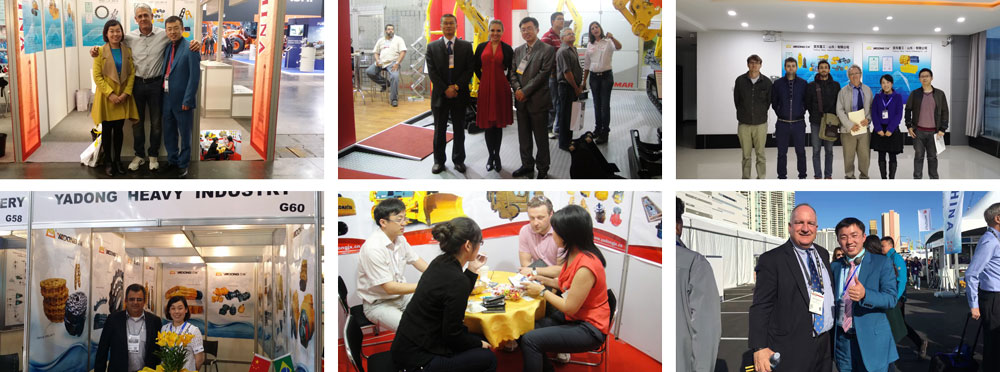
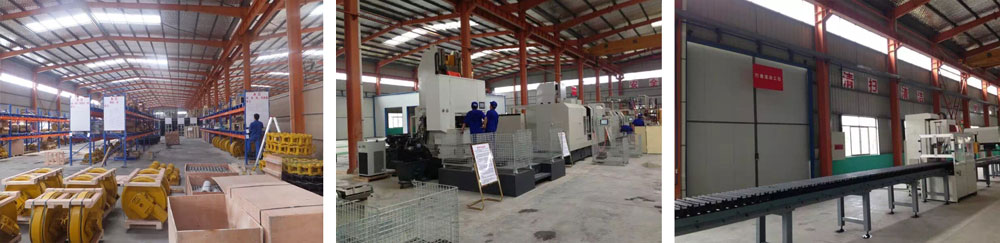
Getting to know the plant
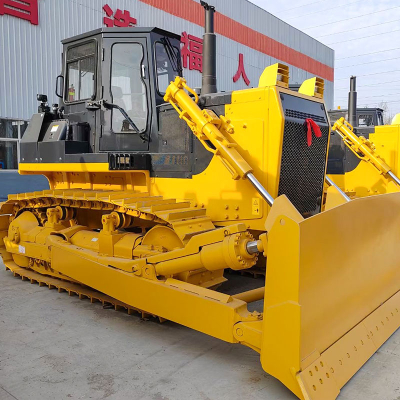
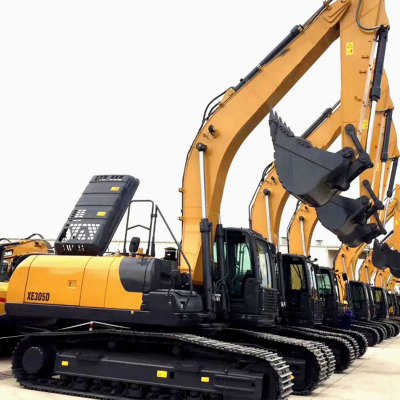
The plant employs a team of highly qualified and experienced engineers who continuously introduce technological innovations and improve products. The company currently owns a number of independent intellectual property rights and patented technologies. The construction equipment produced includes a wide range of equipment such as excavators, loaders, cranes, bulldozers and other machines. Products are characterized by high performance, reliability, energy efficiency and environmental friendliness, as well as the ability to adapt to challenging operating conditions in a variety of climates and operating environments around the world.
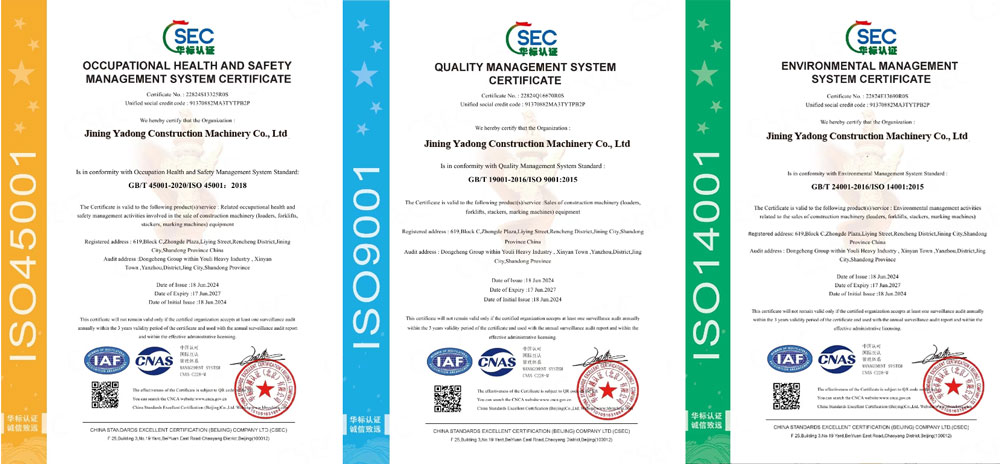
Awards and qualificationsfication
frequently asked questions
1. Which countries do we export to?
Asia: Vietnam, India, Indonesia, Pakistan, Kazakhstan, Uzbekistan, etc.
Europe: Russia, Belarus, Ukraine, Lithuania, Saudi Arabia, etc.
South America: Brazil, Chile, Paraguay, Argentina, etc.
Africa: South Africa, Ethiopia, Libya, etc.
2.What payment terms can we accept?
Usually we can work on T/T, 30% TT before production and 70% TT before shipment
3.What logistics methods can we use for delivery?
1) For most of Europe, South America and Africa etc. countries, we can go by container or Roro via ocean freight.
2) For China's neighboring countries, such as Russia, Vietnam, Kazakhstan, Uzbekistan, etc., we can deliver by road or rail.
3) For light spare parts in urgent requirement, we can ship it by international courier service, such as DHL, TNT, EMS or other air freight.
4. How can you guarantee that you have delivered the goods to customers?
A: We will provide you with full delivery information for you confirmed.
5.What are our advantages compared with other manufacturers/factories?
1) Reliable quality: Carefully select reliable manufacturers to support spare parts such as engines, axles, transmissions, and many parts designed and produced by ourselves, always adopting the best materials.
2) Competitive price: Concentration of mechanized production in large quantities reduces production costs to ensure competitive price.
3) Service Team: Firstly, our sales managers are available 24/7, ready to answer your questions at any time. Secondly, our professional technical support team, with senior technicians, is ready to provide support to users and dealers. Most issues can be resolved within 24 hours.
4) Fast delivery: Generally, we can delivery within 10 working days in factory after receiving the advance payment from customers.
6. How can you provide after-sales service to customers?
A: We will reply you at the first time and help you solve the problems within 24 hours. If we really need your local, we
We will send your professional person to your locality to help you solve the problems without any hesitation, supply you with all-round