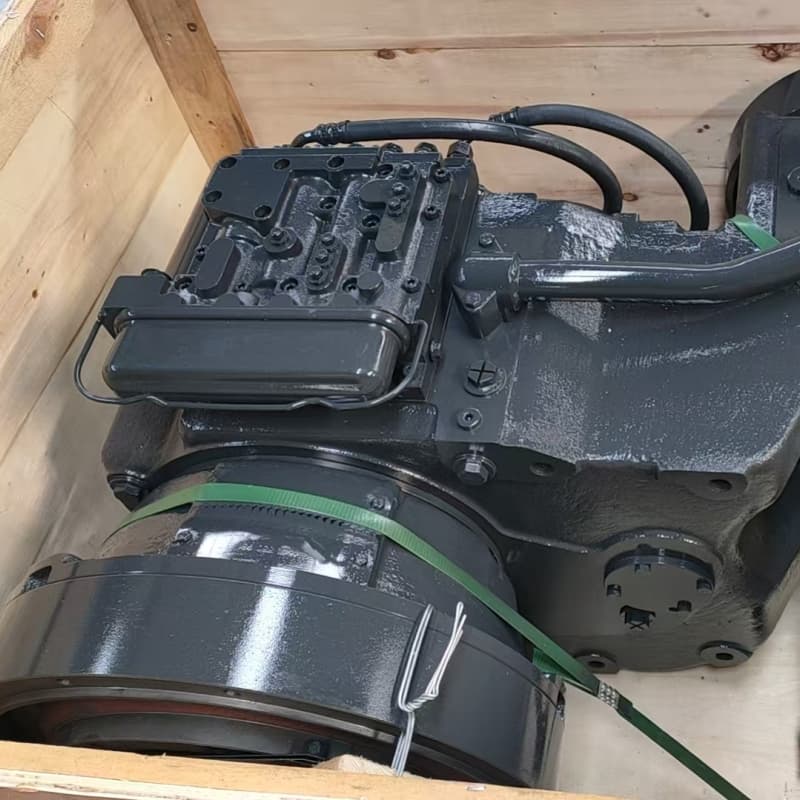
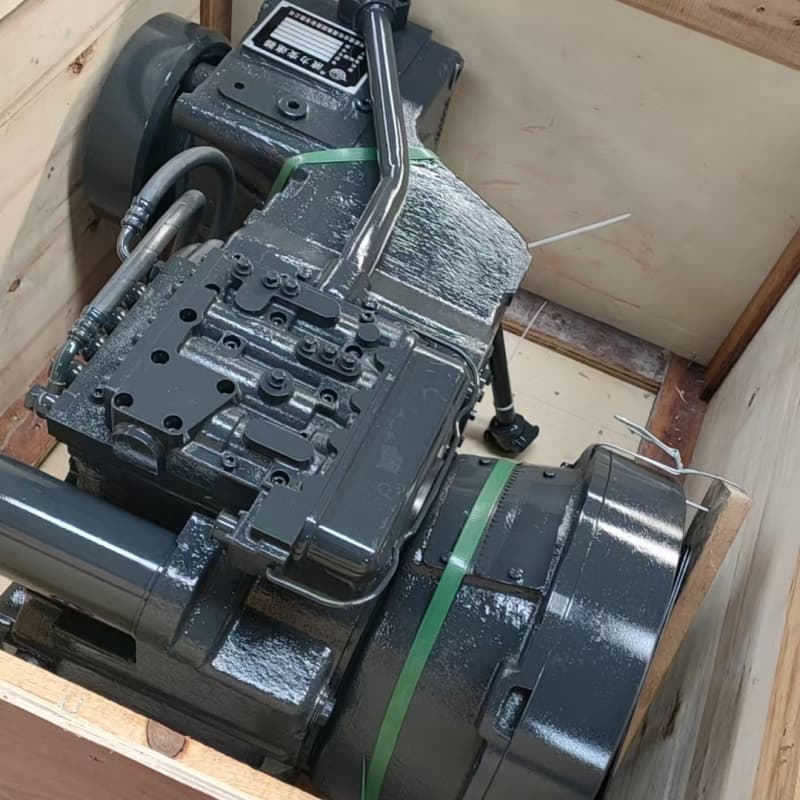
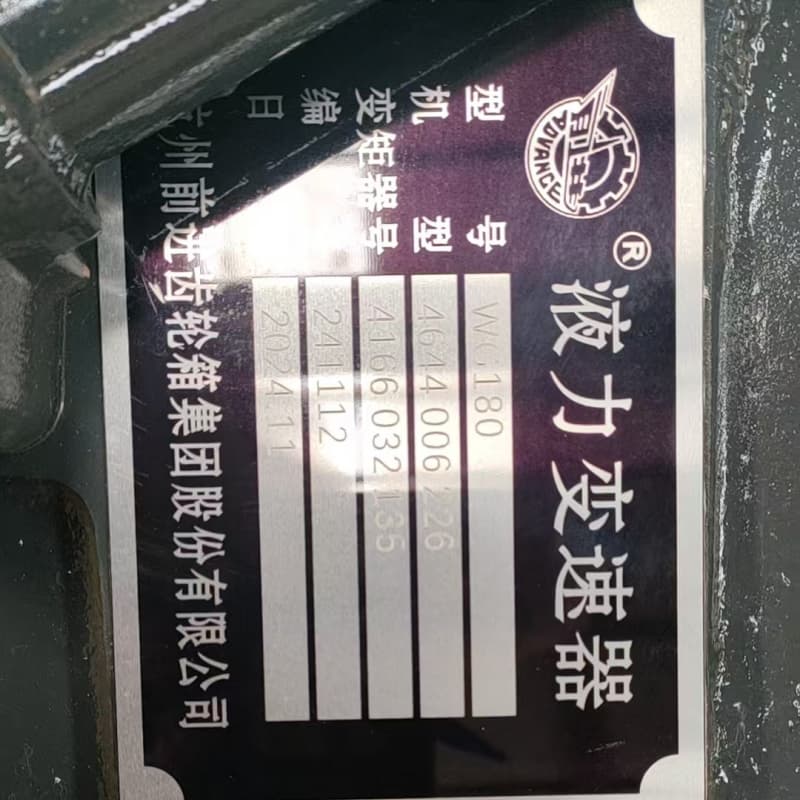
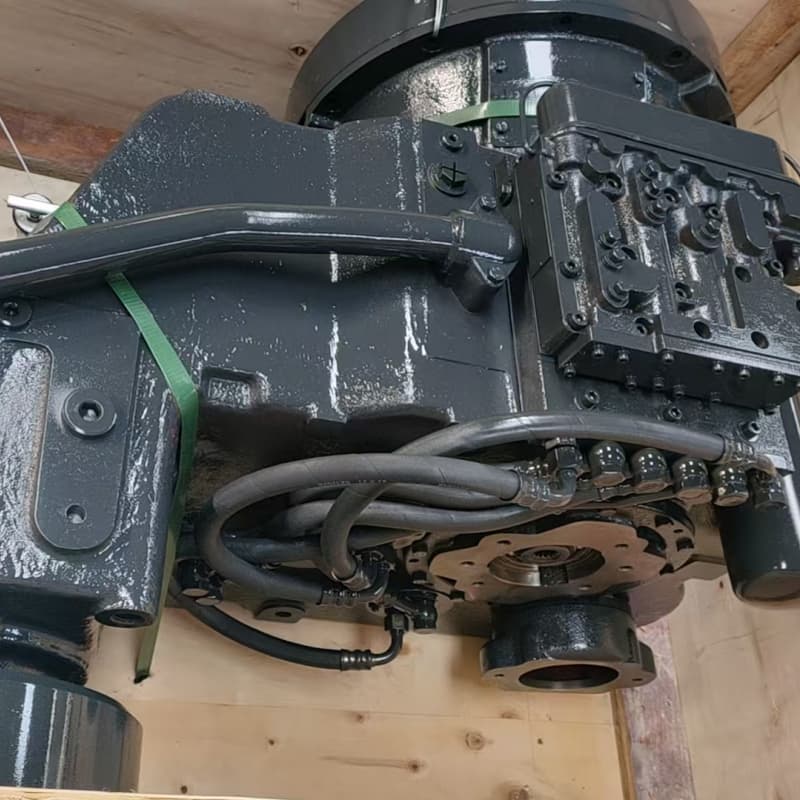
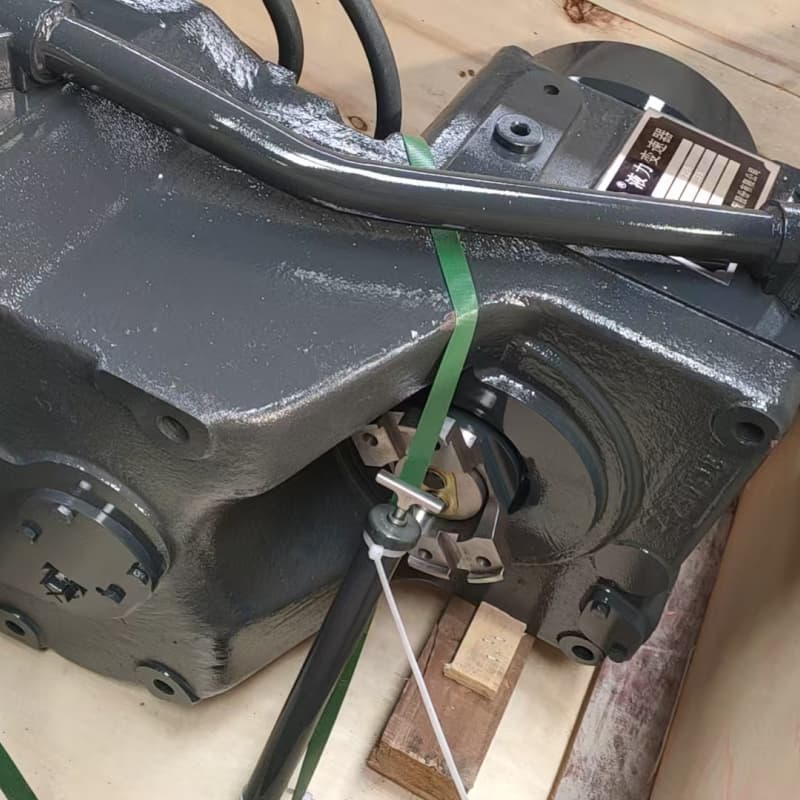
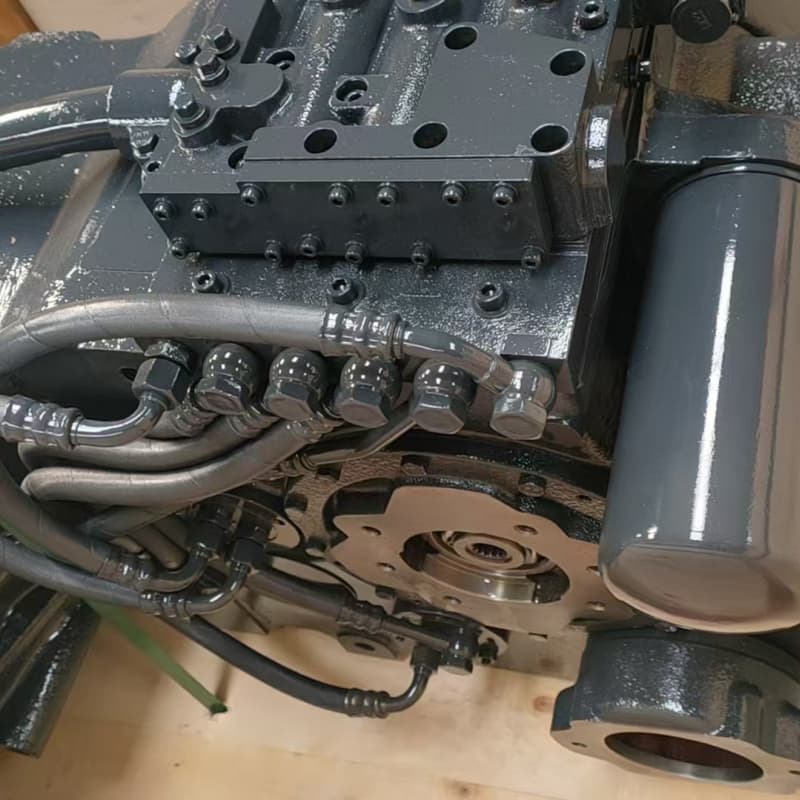
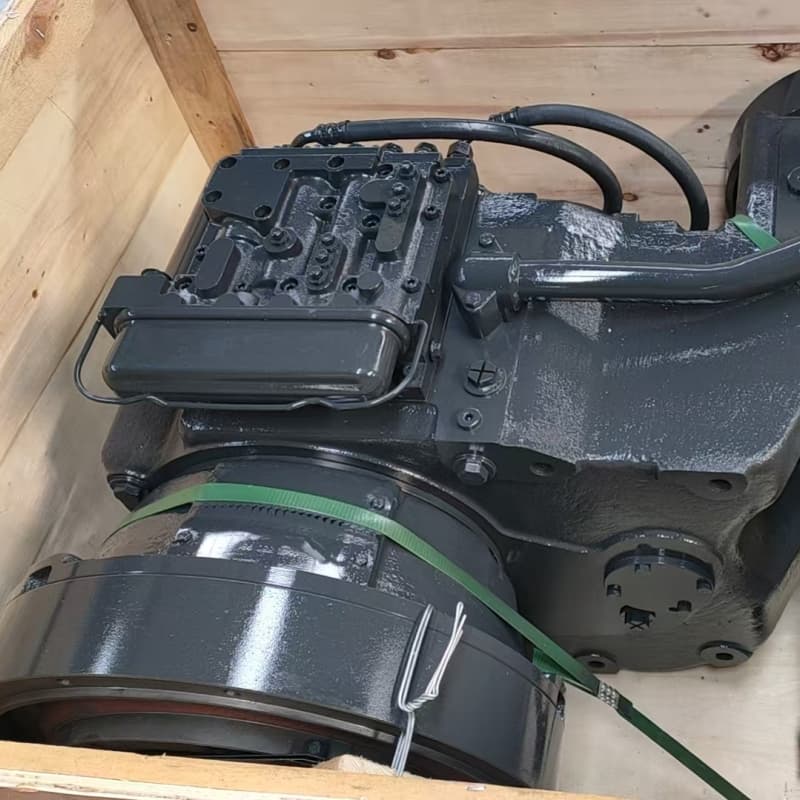
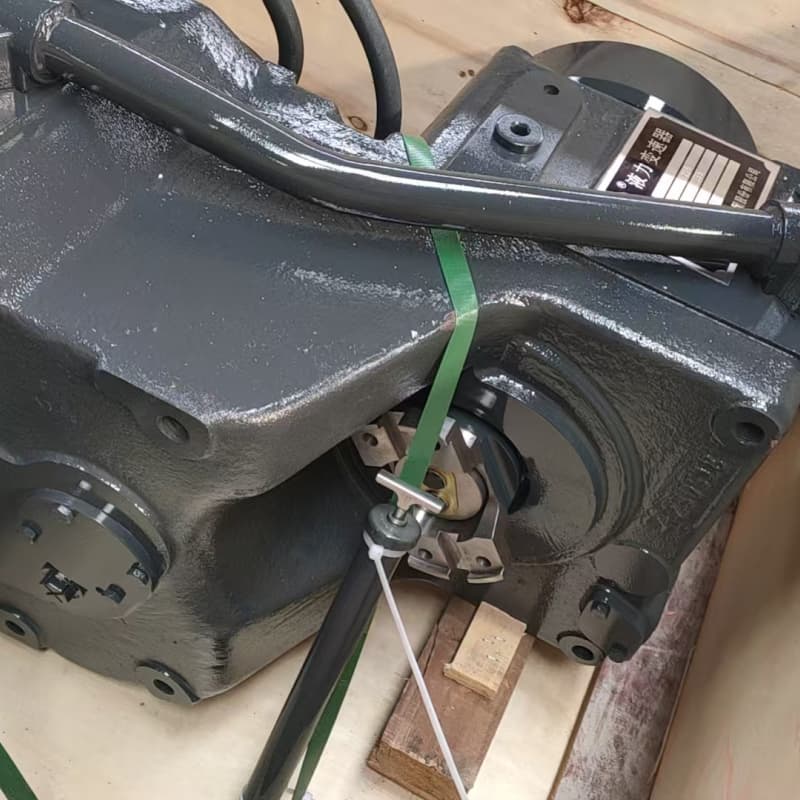
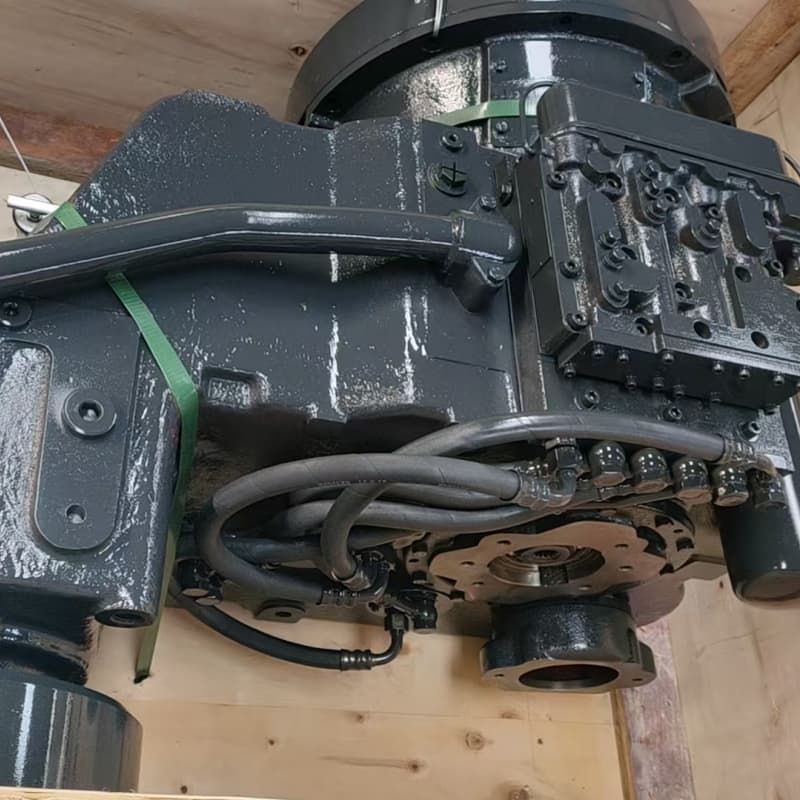
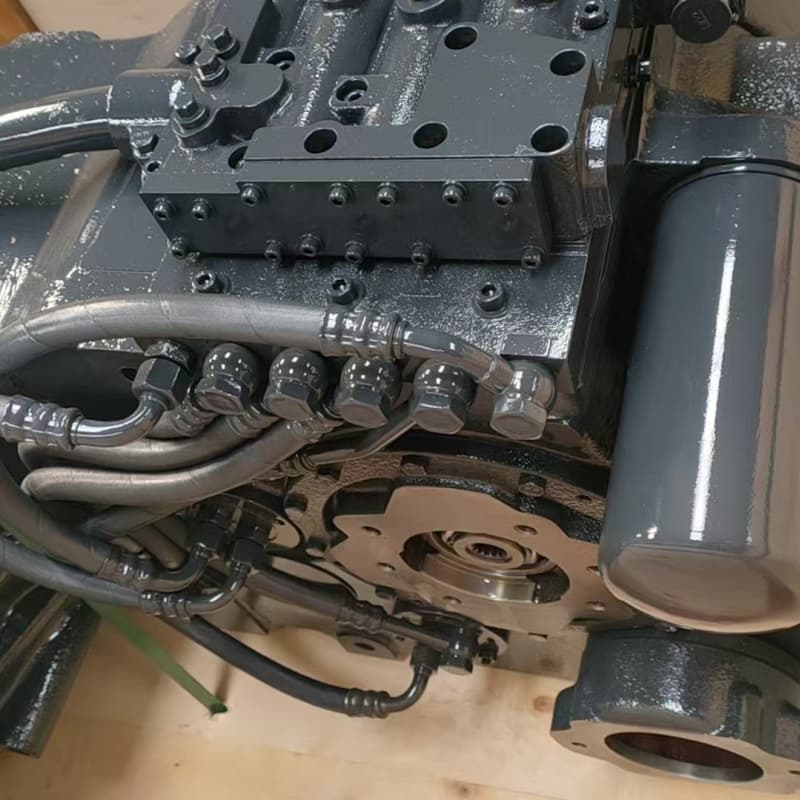
ZF WG180 Motor Grader Gearbox SG18
1. Efficient operation and increased efficiency: Optimized design, efficient power transmission, and accelerated construction meet the needs of Russian customers for efficient projects.
2. Durable and resistant to environmental impact, reducing maintenance costs: Thanks to the use of high-quality materials and exquisite craftsmanship, the product can adapt to complex working conditions, and reduce maintenance costs and frequency.
3. Frost-resistant and stable, no worries in winter: Designed for the low temperature in Russia, it can work stably at low temperatures, ensuring smooth operation in winter.
4. Easy installation, save labor time: reasonable design, simplified installation process, fast installation, reducing equipment downtime.
Product Introduction
1. Product details
Design: The grader gearbox adopts compact and reasonable design. The box is usually cast from high-strength alloy steel. It has good rigidity and impact resistance and can withstand high grader loads in difficult working conditions. The internal gear train has been precision machined and heat treated, with high precision tooth profile and adequate surface hardness, ensuring smooth and reliable transmission. At the same time, the use of a multi-disc clutch and brake ensures fast, smooth and precise gear changes.
Transmission Ratio Range: Equipped with several different transmission ratios to meet the grader's needs in various operating scenarios. For example, when leveling soil, the appropriate transmission ratio can be selected to maintain a stable grader operating speed; when towing heavy loads or climbing slopes, the transmission can be shifted to a low ratio to provide greater torque. The transmission ratio range typically covers a variety of operating conditions, from low speed and high torque to high speed and low torque, to meet power needs in various operating conditions.
Gear shifting method: Common gear shifting methods include manual shifting and power shifting. Manual shifting directly controls the gearshift mechanism via a joystick. Operation is simple and straightforward, suitable for drivers with a high level of driving skills. Power shifting uses a hydraulic control system that controls the clutch and brake via electromagnetic valves to achieve automatic shifting. Operation is more convenient and faster, effectively reducing driver labor and improving work efficiency.
Lubrication and Cooling System: A forced-air lubrication and cooling system ensures that all components within the gearbox are fully lubricated and cooled during operation. Lubricating oil circulates through an oil pump, removing heat generated by gears, bearings, and other components during operation and forming an oil film on each friction surface, reducing wear. The cooling system typically utilizes air or water cooling, which is selected based on various operating conditions and requirements to ensure the gearbox operates within the appropriate temperature range.
Sealing performance: The reducer has good sealing performance and uses high-quality seals such as oil seals, O-rings, etc., which effectively prevent lubricating oil leakage and external contaminants such as dust and moisture from entering the reducer, ensuring the normal operation and service life of the reducer.
2. Installation method
Pre-installation preparation: Before installing the grader gearbox, clean and inspect the installation area to ensure the surface is level and free of debris. At the same time, prepare the necessary installation tools and accessories, such as bolts, gaskets, etc.
Lifting and Positioning: Use appropriate lifting equipment to smoothly lift the transmission to the installation location and accurately position it in alignment with the engine, drive shaft, and other components. Ensure the transmission input shaft is concentric with the engine output shaft and that the connection between the output shaft and drive shaft is accurate.
Fastening and Connection: Use the specified bolts and washers to securely fasten the gearbox in place, and tighten the bolts to the specified torque specifications to ensure that the gearbox does not loosen during operation. At the same time, connect the transmission lubricating oil line, cooling line, control line, etc. to ensure a secure connection and a good, airtight seal.
Adjustment and Inspection: After installation, the transmission must be fully adjusted and inspected. Check the shift mechanism for flexibility and accuracy, the lubricating oil level is within the specified range, the cooling system is working properly, etc. If necessary, make any necessary adjustments and repairs to ensure proper and secure transmission installation.
3. Repair and maintenance
Daily Maintenance: Regularly check the gearbox oil level to ensure it is within the specified range. Check the quality of the lubricating oil. If the lubricating oil is found to be deteriorated, emulsified, or contains impurities, it should be replaced promptly. At the same time, check for leaks in the gearbox seals. If any are present, they should be repaired promptly.
Change the lubricating oil regularly: Change the lubricating oil regularly in accordance with the transmission's operating instructions and operating conditions. Generally, under normal operating conditions, the lubricating oil should be changed every 500 to 1,000 operating hours or every six months. Under severe operating conditions, such as high temperatures, high dust levels, high humidity, etc., the change cycle should be reduced accordingly.
Filter Replacement: Replace the transmission oil filter regularly to ensure cleanliness of the lubricating oil. The filter replacement cycle is typically the same as the lubricating oil change cycle. When replacing the filter, pay attention to the installation direction and the tightness of the filter to ensure proper installation.
Inspection and maintenance of components: Regularly inspect the gearshift mechanism, clutch, brakes, and other transmission components for proper operation. If any parts are worn, loose, or damaged, they should be repaired or replaced promptly. Check that the transmission cooling system is functioning properly, for example, to ensure the radiator is clear of debris, the fan is working properly, etc. If any issues are present, they should be addressed promptly.
Troubleshooting: If any transmission malfunctions occur, stop the vehicle promptly, inspect it, analyze the cause, and take appropriate corrective measures. When troubleshooting, strictly follow the maintenance manual to avoid spreading the problem or damaging other components due to improper operation.
4. Common faults
Difficulty shifting: This can be caused by a faulty shift mechanism, incomplete clutch disengagement, dirty or highly viscous lubricating oil, or a faulty shift solenoid. Solutions include checking and adjusting the shift mechanism, adjusting the clutch clearance, changing the lubricating oil, checking and repairing the shift solenoid, etc.
Unusual Noise: Unusual noise in the gearbox may be caused by worn gears, damaged bearings, insufficient or poor-quality lubricating oil, loose internal components, etc. Solutions include checking gears and bearings for wear and replacing them if necessary; checking the oil level and quality of the lubricating oil, and topping up or replacing the lubricating oil in a timely manner; checking the tightness of internal components and tightening loose bolts.
Oil leak: Oil leaks can be caused by aging, damage, improperly installed seals, or cracks in the transmission. Solutions include checking the condition of the seals and promptly replacing them if damaged or aging; checking that the seals are installed correctly to ensure a good seal; and if there are cracks in the transmission, repair or replace the transmission depending on the severity of the cracks.
Excessively high oil temperature: Excessively high oil temperature may be caused by a malfunction of the cooling system, insufficient quantity or deterioration of the lubricating oil, long-term operation under high load, etc. Solutions include checking the working condition of the cooling system (such as whether the radiator is clogged, whether the fan is working normally, etc.), and troubleshooting in time; checking the oil level and quality of the lubricating oil, and replenishing or replacing the lubricating oil; avoiding long-term operation under high load, and reasonably distributing working time and work intensity.
5. After-sales warranty
Warranty Policy: The grader gearbox comes with a specific warranty period. During the warranty period, if the gearbox fails due to quality issues, it will be repaired or replaced free of charge. The specific warranty period and scope will be determined according to the product model and operating instructions.
Technical Support: Providing a professional technical support team to provide users with technical guidance and training on installation, commissioning, maintenance of gearboxes, etc. If users encounter any technical problems during use, they can contact the technical support team at any time to get timely assistance and solutions.
Parts Supply: We've created a comprehensive parts supply system, ensuring users receive the necessary transmission parts in a timely manner. The quality and performance characteristics of our accessories match those of the originals, guaranteeing high-quality and reliable transmission repair and maintenance. We also offer reasonable accessory prices to reduce user costs.
After-Sales Service Response Time: We commit to a prompt response and assign professional staff to handle after-sales service requests upon receiving them. In the event of an emergency, we will arrive on-site for repairs as quickly as possible to reduce user downtime and improve operational efficiency.
User Feedback Processing: We value user feedback and have developed a user feedback processing mechanism. User questions and suggestions will be promptly analyzed and processed, and the results will be promptly shared with users to continuously improve product quality and after-sales service.
There are many types of faults that can occur in a grader's gearbox during use. Below are some common faults and their causes:
Gear shifting difficulty:
Shift mechanism failure: For example, the shift fork is worn, warped or stuck, preventing normal gear shifting.
Clutch Problem: The clutch is not fully disengaged so the power cannot be fully disengaged, causing the gears to be difficult to engage when shifting gears, resulting in gear clunking, making shifting difficult.
Lubricating oil problem: The lubricating oil is too dirty or has too high viscosity, which affects the lubrication and movement between the shifting parts and increases shifting resistance.
Shift Solenoid Valve Malfunction (for powershift transmissions): If the shift solenoid valve fails, it cannot accurately control the flow and pressure of hydraulic oil, which in turn affects the operation of the clutch and brake, resulting in difficult shifting.
Abnormal sound:
Gear Wear: After long-term use, the gear surface will become worn, pitted, peeling, etc., which will cause unusual engagement sounds during operation.
Bearing damage: Bearing wear, cracked balls, or damaged cage can cause poor bearing performance and noise.
Insufficient quantity or deterioration of lubricating oil: Insufficient quantity or deterioration of lubricating oil will result in it not being able to effectively lubricate and cushion the friction between components, resulting in abnormal noise.
Loose internal components: If components such as gear shafts and bolts are loose, vibrations can cause knocking noises during operation.
Oil leak:
Aging or damaged seals: After long-term use, oil seals, O-rings and other gearbox seals will become aged, hardened or broken, resulting in lubricating oil leakage.
Uneven sealing surface: The sealing surfaces of the housing, shaft journal and other parts have defects caused during manufacturing or installation, or are deformed due to long-term loading, which leads to deterioration of the seal and oil leakage.
Clogged Vent Hole: A clogged vent hole causes internal pressure in the transmission to increase, causing lubricating oil to leak through a weak seal.
Oil temperature too high:
Cooling system malfunction: A clogged radiator, fan failure, or clogged cooling lines will impair heat dissipation and cause the oil temperature to rise.
Insufficient or damaged lubricating oil: Insufficient lubricating oil will increase friction between components and generate more heat; while damaged lubricating oil will reduce heat dissipation and lubricating properties, which will also lead to an increase in oil temperature.
Long-Term High Load Operation: When the grader operates under high load conditions for a long time, power losses inside the gearbox increase, resulting in excess heat generation and high oil temperature.
Poor gear engagement: Incorrect gear clearance, poor tooth surface contact, etc. increase friction and wear between gears, generate additional heat and raise oil temperature.
Jumping equipment:
Shift Fork Wear: Severe shift fork wear will cause the gears to be inaccurately positioned, and the gears will easily disengage automatically during operation, resulting in gear skipping.
Self-locking device failure: The self-locking device of the gearbox (such as self-locking spring, steel ball, etc.) fails and cannot securely lock the position of the gear, resulting in the gear easily jumping out of the transmission during operation.
Shaft Deformation: The transmission shaft deforms under sustained force, which disrupts the normal engagement of gears and causes gears to jump.
Power outage:
Clutch failure: Severe wear of the clutch friction disc, erosion due to combustion, or failure of the clutch hydraulic system will cause the clutch to be unable to transmit power normally, resulting in interruption of power transmission.
Internal gear or shaft failure: In case of severe overload or impact, the gear or shaft may break, making it impossible to transmit power normally.
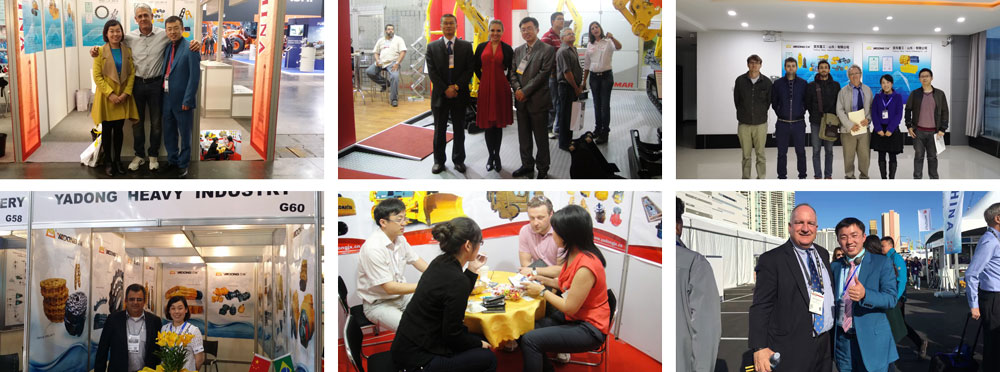
Exhibition cabinets
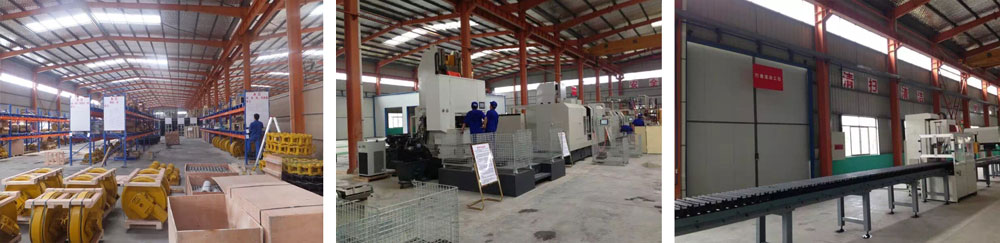
Getting to know the plant
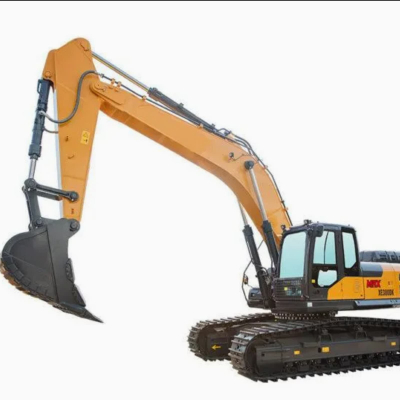
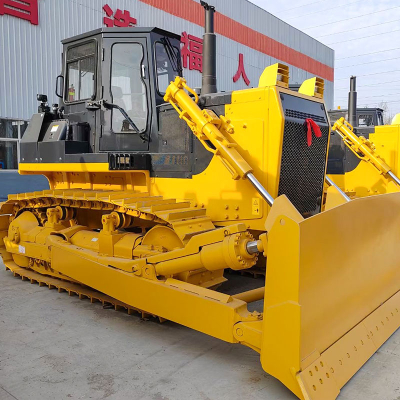
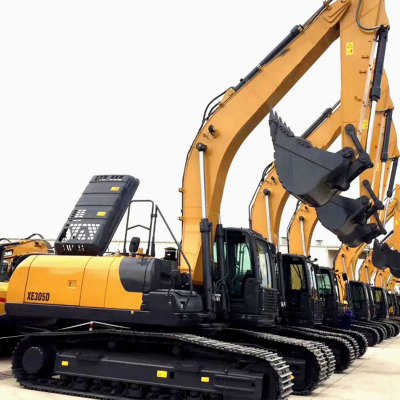
The plant employs a team of highly qualified and experienced engineers who continuously introduce technological innovations and improve products. The company currently owns a number of independent intellectual property rights and patented technologies. The construction equipment produced includes a wide range of equipment such as excavators, loaders, cranes, bulldozers and other machines. Products are characterized by high performance, reliability, energy efficiency and environmental friendliness, as well as the ability to adapt to challenging operating conditions in a variety of climates and operating environments around the world.
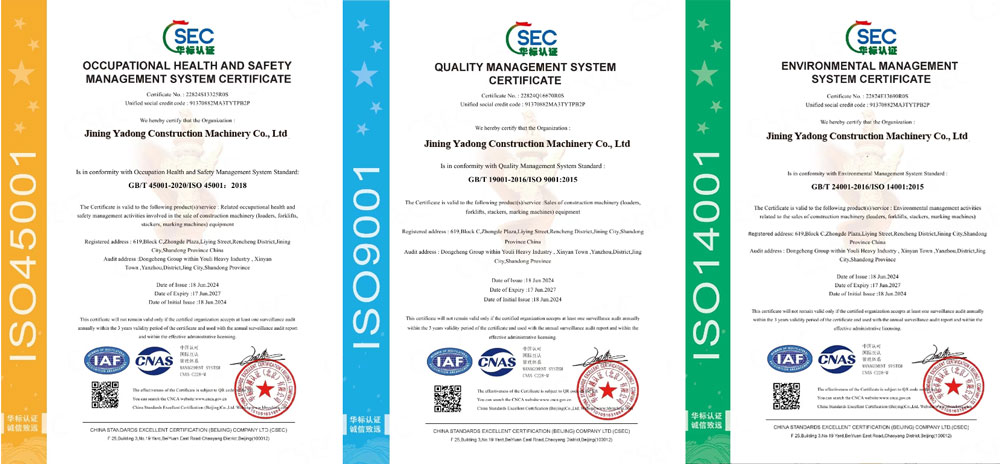
Awards and qualificationsfication
frequently asked questions
1. Which countries do we export to?
Asia: Vietnam, India, Indonesia, Pakistan, Kazakhstan, Uzbekistan, etc.
Europe: Russia, Belarus, Ukraine, Lithuania, Saudi Arabia, etc.
South America: Brazil, Chile, Paraguay, Argentina, etc.
Africa: South Africa, Ethiopia, Libya, etc.
2.What payment terms can we accept?
Usually we can work on T/T, 30% TT before production and 70% TT before shipment
3.What logistics methods can we use for delivery?
1) For most of Europe, South America and Africa etc. countries, we can go by container or Roro via ocean freight.
2) For China's neighboring countries, such as Russia, Vietnam, Kazakhstan, Uzbekistan, etc., we can deliver by road or rail.
3) For light spare parts in urgent requirement, we can ship it by international courier service, such as DHL, TNT, EMS or other air freight.
4. How can you guarantee that you have delivered the goods to customers?
A: We will provide you with full delivery information for you confirmed.
5.What are our advantages compared with other manufacturers/factories?
1) Reliable quality: Carefully select reliable manufacturers to support spare parts such as engines, axles, transmissions, and many parts designed and produced by ourselves, always adopting the best materials.
2) Competitive price: Concentration of mechanized production in large quantities reduces production costs to ensure competitive price.
3) Service Team: Our sales managers are available 24/7, ready to answer your questions at any time. Our professional technical support team, with senior technicians, is ready to provide support to users and dealers. Most issues can be resolved within 24 hours.
4) Fast delivery: Generally, we can delivery within 10 working days in factory after receiving the advance payment from customers.
6. How can you provide after-sales service to customers?
A: We will reply you at the first time and help you solve the problems within 24 hours. If we really need your local, we
We will send your professional person to your locality to help you solve the problems without any hesitation, supply you with all-round