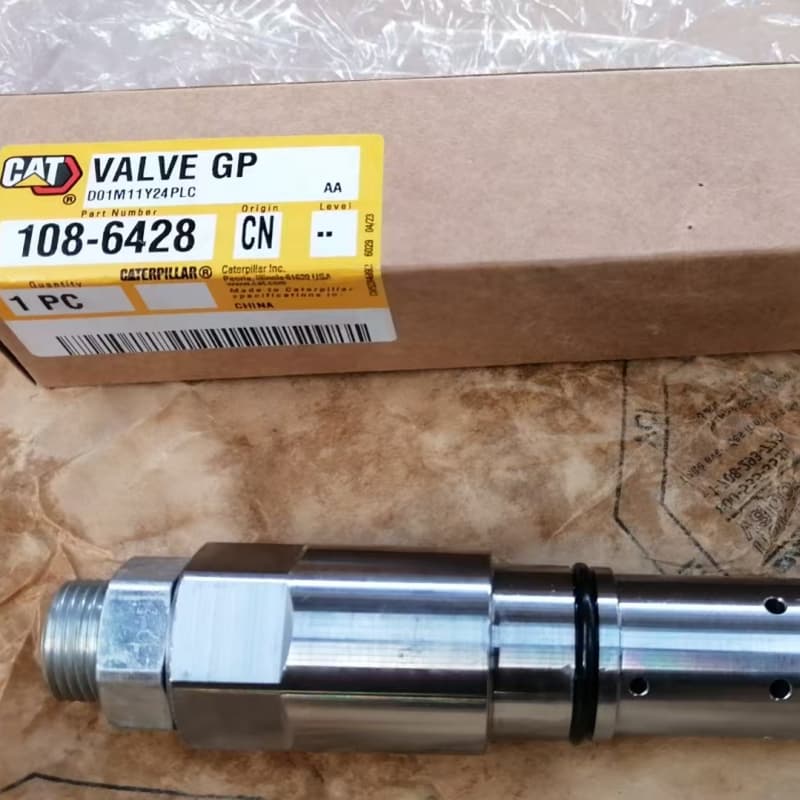
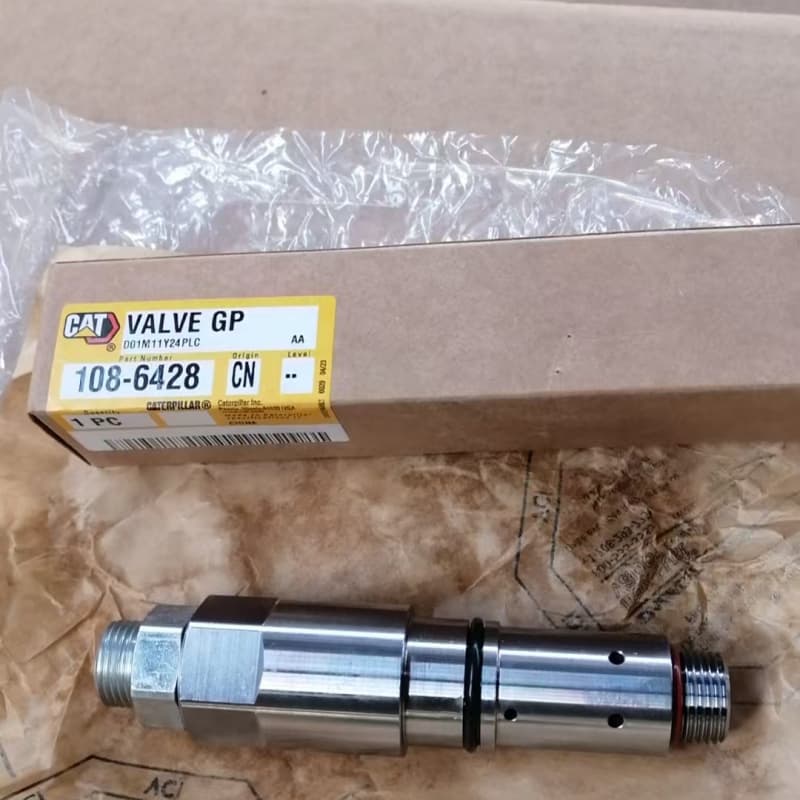
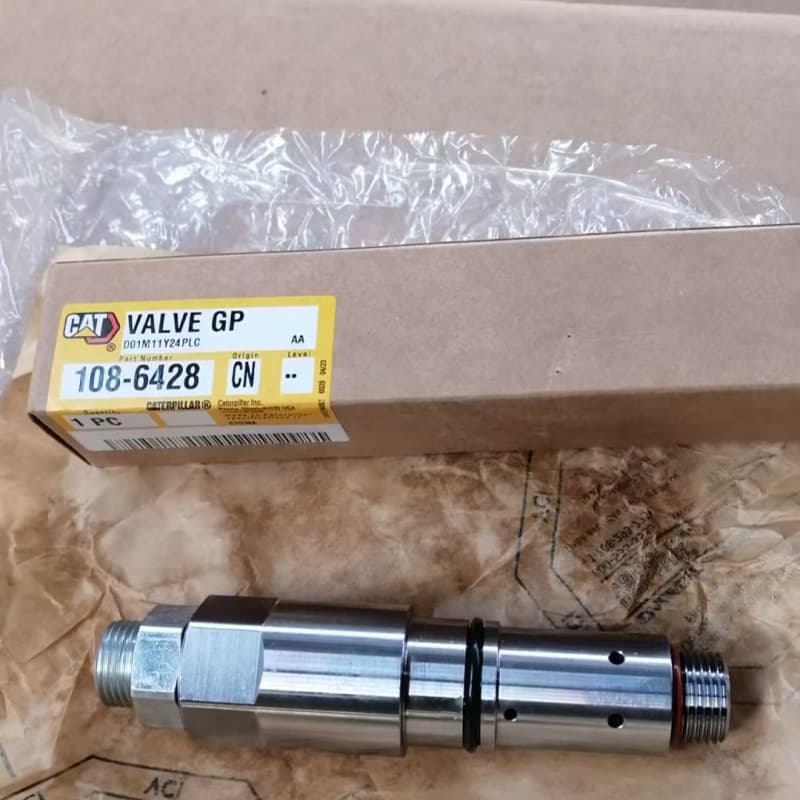
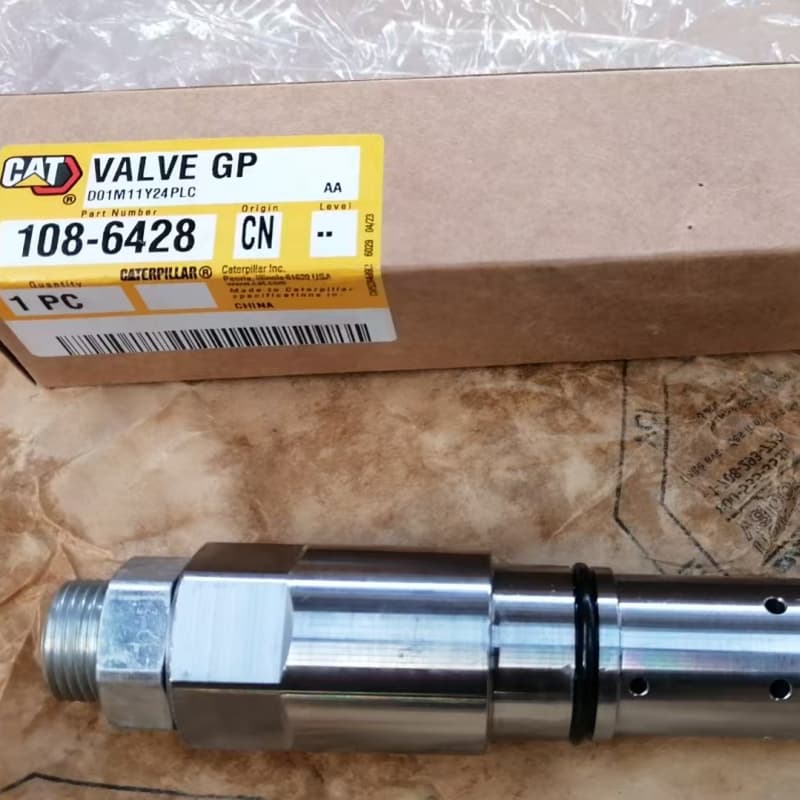
Caterpillar 108-6428 Relief Valve
1. Excellent quality: Using advanced manufacturing technology and high-quality materials, the components feature high precision and stable performance, ensuring the efficient operation of the engine.
2. Accurate adaptation: Adjustable to various Carter engine models, with precise interfaces and dimensions, easy installation and perfect match.
3. Durability: After strict quality control, the key components are wear-resistant and corrosion-resistant, and can work stably for a long time under complex working conditions.
Product Introduction
Basic information
Brand: Caterpillar
Application Scenario: Widely used in all kinds of machinery equipment, engine system and hydraulic system of Carter, such as the hydraulic system and fuel system of Carter excavators, bulldozers and other equipment.
Product type
Spring-loaded pressure relief valve: The spring's elastic force is used to control the valve's opening and closing. When the system pressure exceeds the spring's set pressure, the spring compresses and the valve opens to relieve the pressure; after the pressure decreases, the spring returns to its original position and the valve closes.
Pneumatic pressure relief valve: controlled by gas source, when the system pressure is abnormal, the solenoid valve is turned on, and the cylinder pushes the valve to open and relieve pressure; after the pressure returns to normal, the solenoid valve is de-energized, and the cylinder returns the valve to the closed state.
Operating Parameters
Pressure range: The working pressure range is wide, from low pressure to thousands of psi, can meet the pressure requirements of various equipment systems.
Flow coefficient: According to different models, the flow coefficient in a certain range, can ensure that the pressure relief can be quickly discharged into the corresponding fluid flow, so as to effectively reduce the system pressure.
Opening pressure accuracy: can usually achieve a high degree of accuracy, usually within the range of the specified pressure for accurate opening.
Production process
Material Selection: The valve body is often made of ductile iron, cast steel, or stainless steel to ensure pressure and corrosion resistance; the valve spool and other key components are made of a special alloy to improve wear resistance and sealing.
Precision machining: Using precision machining technology to ensure the precision of component dimensions and surface finish, so that the valve sealing performance and operating reliability are better.
Assembly process: The assembly is carried out in strict accordance with the assembly process and standards to ensure that the components are installed in place, after strict commissioning and testing, to ensure that the pressure relief valve is factory quality.
Carter Engine Spare Parts
1. Main components and spare parts
(I) Piston assembly
Piston: Typically made of high-strength aluminum alloy, it features lightweight construction and good thermal conductivity. It effectively reduces engine inertia and improves fuel economy. The piston top can be designed in various shapes, such as flat, concave, convex, and so on, depending on different engine models and combustion requirements to optimize combustion and increase power output. For example, some Carter excavator engines with higher power requirements use a piston with a concave top, which increases combustion chamber volume, improves compression, and ensures more complete combustion.
Piston ring: divided into a gas ring and an oil ring. The gas ring is primarily made of alloy cast iron and undergoes special surface treatments such as chromium plating and nitriding to improve wear resistance and sealing, effectively preventing gas leaks and ensuring engine performance. The oil scraper ring is responsible for removing excess oil from the cylinder walls, preventing oil from entering the combustion chamber, reducing oil consumption and carbon deposits. Its unique design maintains good oil distribution while providing oil suction, ensuring engine lubrication.
Piston pin: Made of low-carbon alloy steel, case-hardened and quenched. It has high surface hardness, excellent wear resistance, and good internal strength. It can withstand gas pressure and the inertial force transmitted by the piston, connecting the piston and connecting rod, and ensure stable power transmission.
(ii) Crankshaft and connecting rod
Crankshaft: Made of medium-carbon steel or medium-carbon alloy steel using a stamping process. The journal surface is high-frequency hardened or nitrided to improve wear resistance and fatigue strength. Shot peening is used to eliminate stress concentrations. The fillet is rolled to increase structural strength. It converts the piston's reciprocating linear motion into rotary motion, generates engine torque, and drives other auxiliary devices. Its structure includes the crankshaft nose, connecting rod journal, main journal, crank, balancer block, and crankshaft rear flange. Each part works together to ensure stable engine operation.
Connecting Rod: Made of high-quality alloy steel, the connecting rod body has an I-shaped cross-section to reduce weight and inertia while ensuring strength. The large end of the connecting rod is connected to the crankshaft journal via a connecting rod bearing to ensure relative rotation; the small end of the connecting rod is connected to the piston via a piston pin to transmit piston force to the crankshaft. High-precision machining and strict quality control ensure a precise fit with the crankshaft and guarantee the engine's power output.
(III) Cylinder block and cylinder head
Cylinder block: As the foundation for all engine components, it is typically made of high-quality gray cast iron and is sufficiently rigid and strong to withstand the various loads encountered during engine operation. The cylinder at the top guides the piston, while the journal at the bottom supports the crankshaft. Its structural design and manufacturing process directly impact the engine's reliability and durability. Different Carter engine models have different cylinder designs and sizes to suit different operating conditions.
Cylinder head: Mounted on top of the cylinder block, it forms the combustion chamber together with the cylinder block. It is primarily made of aluminum alloy, which is lightweight and has excellent heat dissipation. The cylinder head contains structures such as the intake port, exhaust port, and injector mounting holes. The intake port ensures smooth intake, the exhaust port discharges exhaust gases, and the injector mounting holes determine the accuracy of fuel injection. A reasonable combustion chamber design is ensured by the combination of the cylinder block and cylinder head, which can improve fuel combustion efficiency and enhance engine performance.
2. Spare parts for auxiliary systems
1. Fuel injection system
Injector: A key component, it sprays fuel into the combustion chamber under high pressure as a mist, as instructed by the engine control unit (ECU). Its operating principle is to control the on/off power to the solenoid injection valve via the ECU, achieving precise control of injection timing and duration. Injection accuracy and injector reliability directly impact combustion efficiency and engine performance. Problems such as clogging and dripping will result in incomplete combustion, leading to problems such as lack of power, increased fuel consumption, and excessive emissions.
High-pressure fuel pump: Responsible for transporting fuel from the fuel tank to the injector and providing sufficient pressure to atomize the fuel into a fine mist within the combustion chamber. It utilizes advanced plunger pump or gear pump technology and features high output pressure and precise flow control, ensuring a consistent fuel supply to the engine under a variety of operating conditions.
(ii) Lubrication system
Oil pump: Extracts oil from the oil pan, pressurizes it, and delivers it to various engine parts requiring lubrication, such as crankshaft bearings, connecting rod bearings, camshaft bearings, etc. A gear pump or rotary pump is typically used, which features a compact design, reliable operation, and stable flow. It can provide sufficient oil pressure at various engine speeds to meet the engine's lubrication needs.
Oil filter: filters impurities and metal particles from the oil, preventing them from entering the engine's lubrication system and causing wear. It uses high-precision filter paper or a metal filter screen with high filtration efficiency, high dirt holding capacity, good sealing, and pressure resistance, ensuring the filtered oil meets engine operating requirements.
(III) Cooling system
Water pump: circulates coolant within the engine, removing heat generated during operation. A centrifugal water pump is typically used, which has high flow and high pressure characteristics. Its impeller is driven by the engine crankshaft via a belt, and the speed is constant to ensure efficient coolant circulation.
Radiator: Dissipates heat absorbed by the coolant into the air, cooling it. It uses a high-performance aluminum alloy material, and the radiator is designed to increase the heat dissipation area and improve heat dissipation efficiency. At the same time, the radiator has a robust construction, can withstand certain pressures and vibrations, and is adaptable to harsh operating conditions.
3. Applicable models and applications
Caterpillar engine parts are widely used in various types of Caterpillar engineering equipment, such as excavators, loaders, bulldozers, cranes, forklifts, and more. In the excavator industry, for models such as the Caterpillar 320 and 336D, different engine models correspond to different spare parts combinations. In the loader industry, engine parts for models such as the Caterpillar 950 ensure stable operation of the equipment during heavy-duty operations. Furthermore, Carter engine parts also play a vital role in generator sets, marine power plants, industrial equipment, and other applications, ensuring the normal operation of equipment in a variety of operating conditions.
4. Performance benefits and quality assurance
Operational benefits: Carter engine parts utilize advanced design concepts and manufacturing processes that are ideally suited to Carter engines and effectively improve their performance, fuel efficiency, and reliability. For example, highly precise control of fuel injection system components ensures more complete combustion and reduces fuel consumption; optimized piston design reduces engine wear and failure rates.
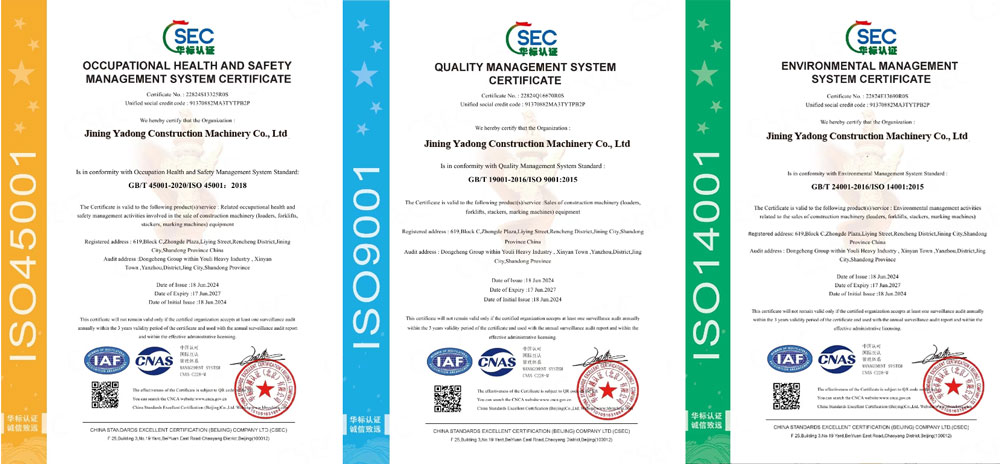
Quality Assurance: Strictly adhere to Caterpillar quality standards and manufacturing processes. From raw material procurement to manufacturing and processing, to quality inspection, every step is strictly controlled. All spare parts have undergone extensive performance and reliability testing to ensure long-term, reliable operation in harsh operating conditions, providing users with reliable protection during operation.
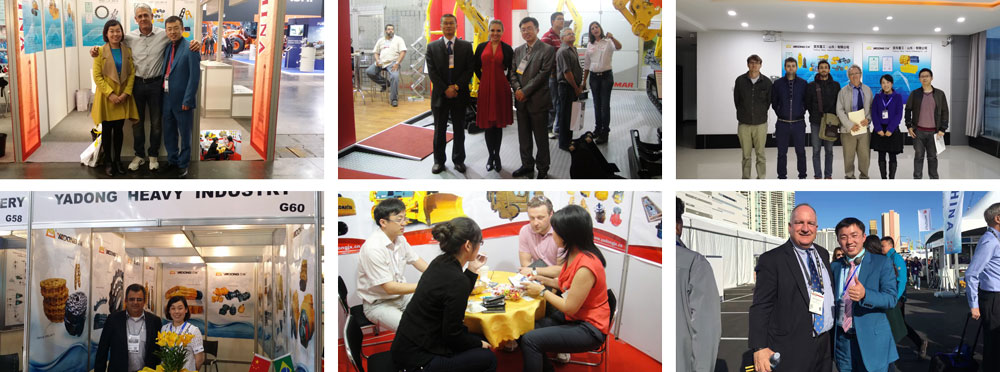
Exhibition cabinets
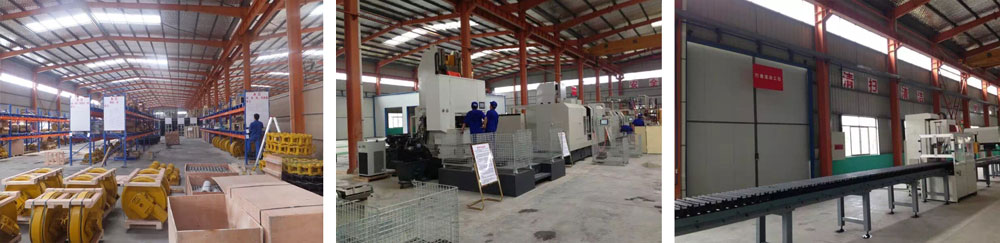
Getting to know the plant
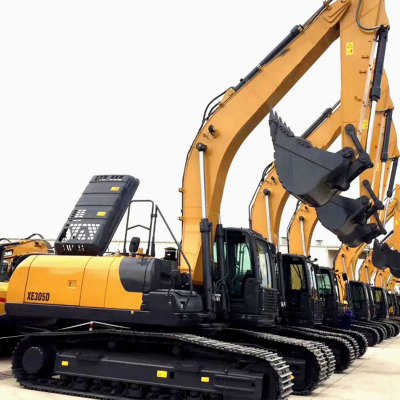
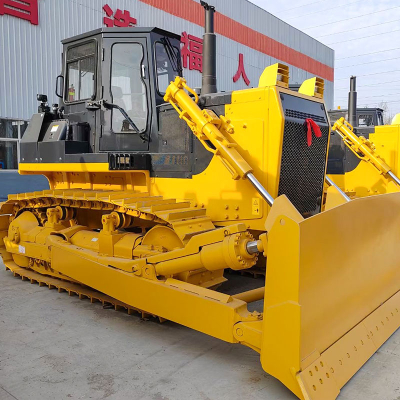
The plant employs a team of highly qualified and experienced engineers who continuously innovate and improve its products. The company currently holds a number of independent intellectual property rights and patented technologies. Its construction equipment includes a wide range of excavators, loaders, cranes, bulldozers, and other machines. These products are distinguished by their high productivity, reliability, energy efficiency, and environmental friendliness, as well as the ability to adapt to challenging operating conditions in a variety of climates and environments worldwide.
Awards and qualificationsfication
frequently asked questions
1. Which countries do we export to?
Asia: Vietnam, India, Indonesia, Pakistan, Kazakhstan, Uzbekistan, etc.
Europe: Russia, Belarus, Ukraine, Lithuania, Saudi Arabia, etc.
South America: Brazil, Chile, Paraguay, Argentina, etc.
Africa: South Africa, Ethiopia, Libya, etc.
2.What payment terms can we accept?
Usually we can work on T/T, 30% TT before production and 70% TT before shipment
3.What logistics methods can we use for delivery?
1) For most of Europe, South America and Africa etc. countries, we can go by container or Roro via ocean freight.
2) For China's neighboring countries, such as Russia, Vietnam, Kazakhstan, Uzbekistan, etc., we can deliver by road or rail.
3) For light spare parts in urgent requirement, we can ship it by international courier service, such as DHL, TNT, EMS or other air freight.
4. How can you ensure that you deliver the goods to customers?
A: We will provide you with full delivery information for you confirmed.
5.What are our advantages compared with other manufacturers/factories?
1) Reliable quality: Carefully select reliable manufacturers to support spare parts such as engines, axles, transmissions, and many parts designed and produced by ourselves, always adopting the best materials.
2) Competitive price: Concentration of mechanized production in large quantities reduces production costs to ensure competitive price.
3) Service Team: Our sales managers are available 24/7, ready to answer your questions at any time. Our professional technical support team, with senior technicians, is ready to provide support to users and dealers. Most issues can be resolved within 24 hours.
4) Fast delivery: Generally, we can delivery within 10 working days in factory after receiving the advance payment from customers.
6. How can you provide after-sales service to customers?
A: We will reply you at the first time and help you solve the problems within 24 hours. If we really need your local, we
We will send your professional person to your locality to help you solve the problems without any hesitation, supply you with all-round